Conference Information | Gather at Leman · New Power in Insemination, Co‑create Innovative Breeding
10 March 2026



This pig farm belongs to a group company in South China. It operates four production lines with approximately 6,000 foundation sows and is implementing a 21‑day batch production system. Considering heavy stress incurred by gilts upon herd entry, one production line is dedicated exclusively to gilt mating management to mitigate such stress. Currently, reproductive performance of gilts on‑farm remains unstable. The post‑treatment estrus rate stands at around 75‑80% and the conception rate ranges from 85‑90%, leading to sub‑overall gilt utilization. Against this backdrop, V‑One‑Mate® was adopted to improve gilt utilization efficiency.
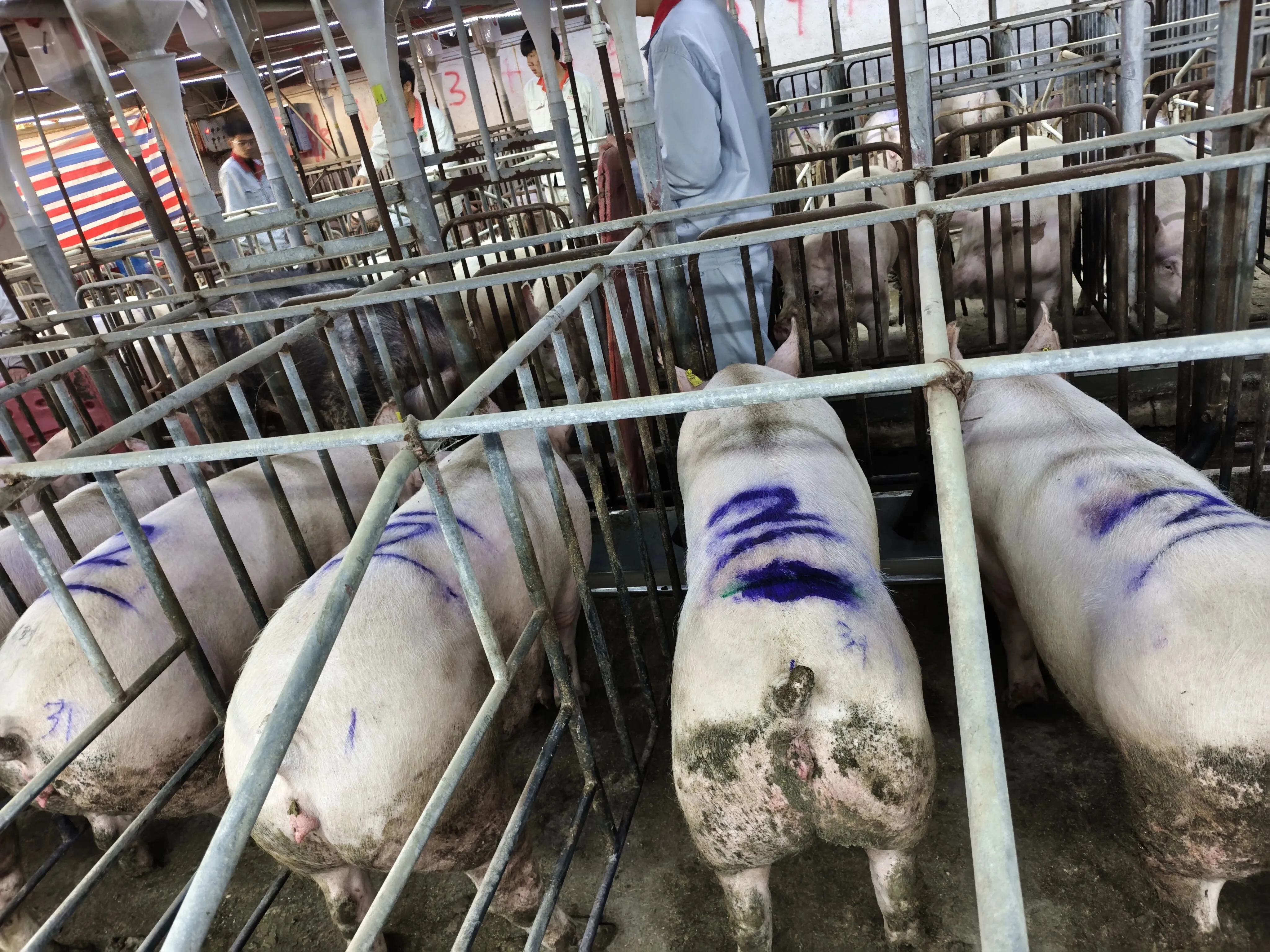
Figure 1: Internal view of the pig farm
This trial was launched on January 29, 2026. A total of 191 gilts were enrolled, among which 101 heads were assigned to the treatment group following the V‑One‑Mate® protocol, and 90 heads served as the control group receiving routine on‑farm estrus detection and mating (see Table 1).
Table 1: Information of trial grouping

To simulate commercial production conditions, gilts were randomly grouped according to pen arrangement. The V‑One‑Mate® group completed mating within two days following standard procedures. For the control group, boar stimulation and estrus observation were required, and mating activities were scattered across 5 days (see Table 2 and Figure 2).
Table 2: Trial operational procedures
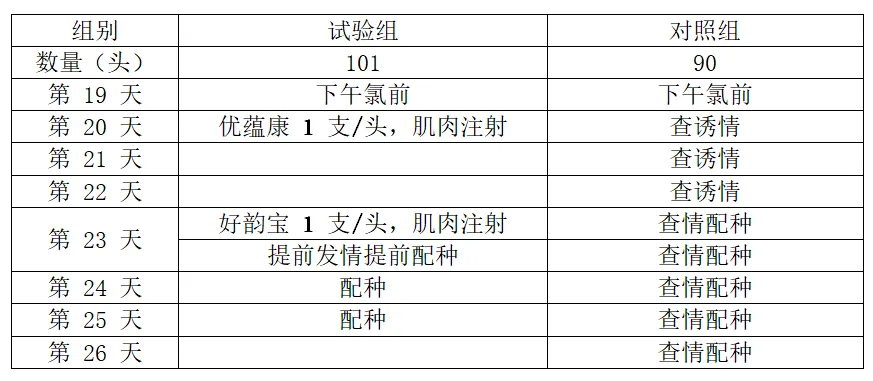
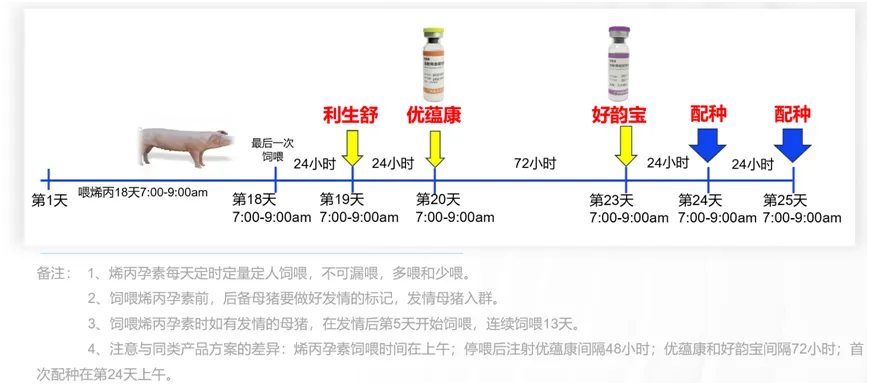
Figure 2: Fixed‑time insemination protocol for gilts and over‑term sows
V‑One‑Mate® significantly improved mating participation rate and breeding conception rate, with the mating participation rate rising by 25.2% and the breeding conception rate increasing by 22.6%, showing remarkable effects. Detailed data are presented in Table 3.

Table 3: Comparison of estrus‑mating participation rate and breeding conception rate between V‑One‑Mate® group and control group
Data Notes:
The key conclusions drawn from this trial are as follows: (1) For gilts treated with the V‑One‑Mate® protocol, mating time is more concentrated and operations are simpler compared with the control group. (2) V‑One‑Mate® can evidently enhance estrus performance of gilts, and improve gilt utilization as well as breeding conception rate.
*V‑One‑Mate® is an innovative domestic one‑time fixed‑time insemination technology independently developed by Guangzhou Weisheng. It supplements FSH (promotes follicle growth and maturation) and HCG (induces ovulation of mature follicles) that directly act on follicles to realize synchronous follicle development and concentrated ovulation. Practical applications in multiple Top30 group pig farms prove that V‑One‑Mate® can significantly improve sow utilization rate, breeding conception rate and litter size, boosting overall farm profitability.